Airline Liveries
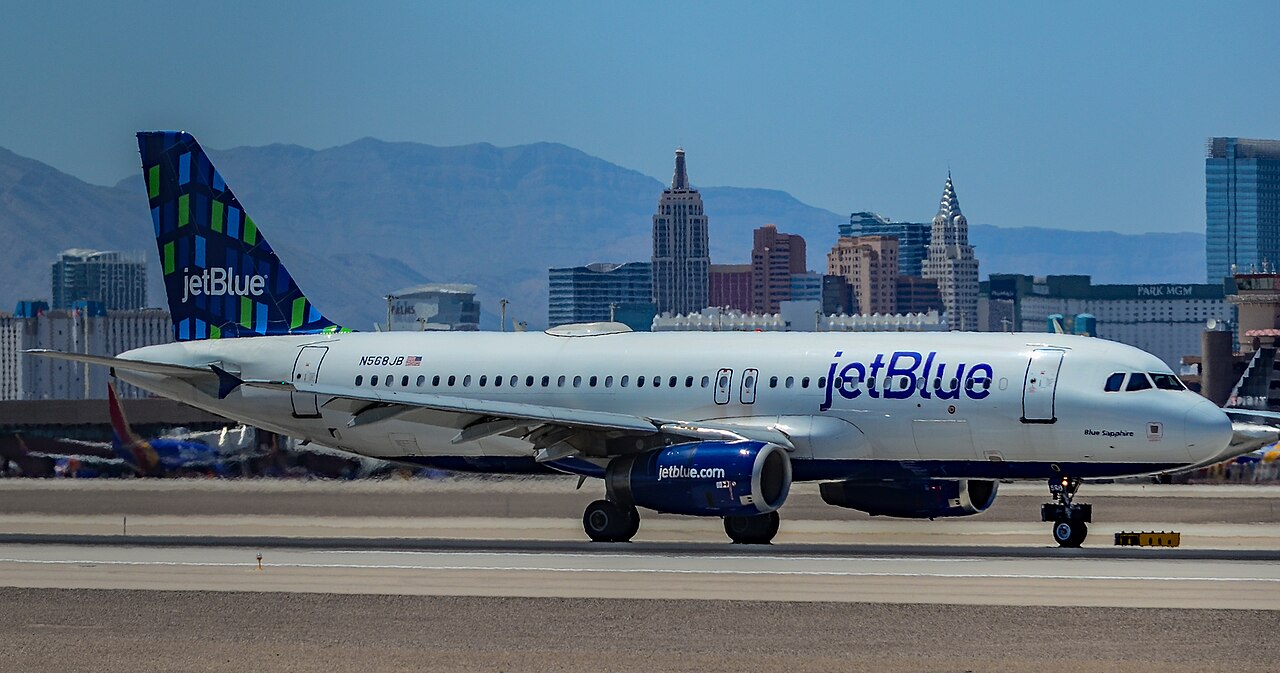
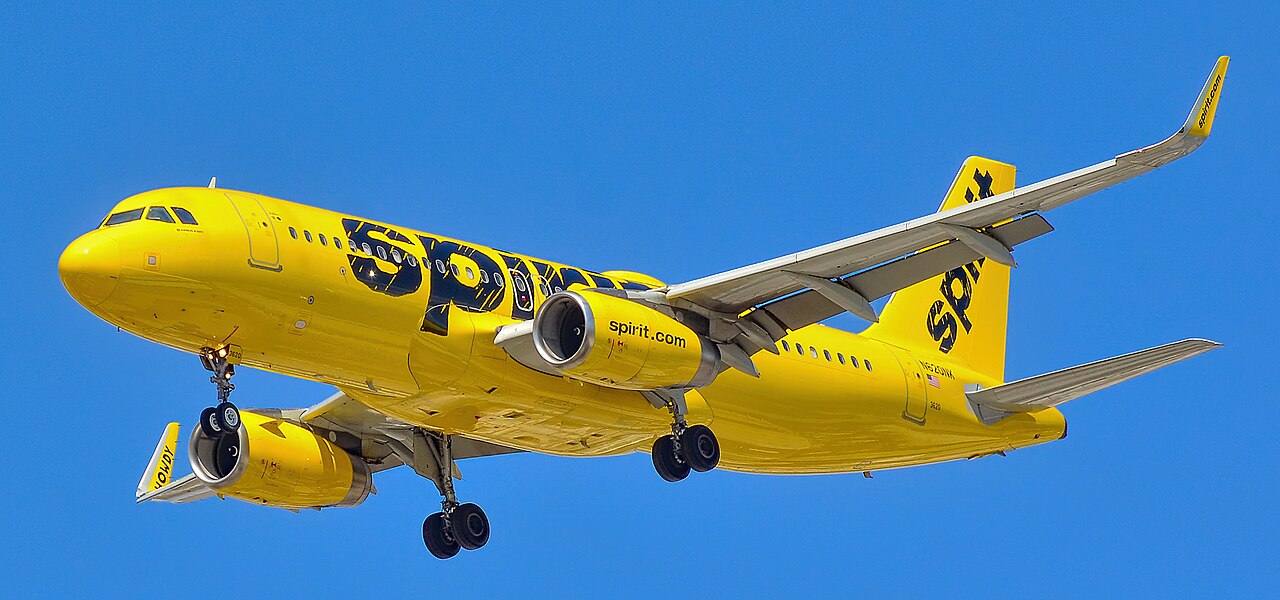
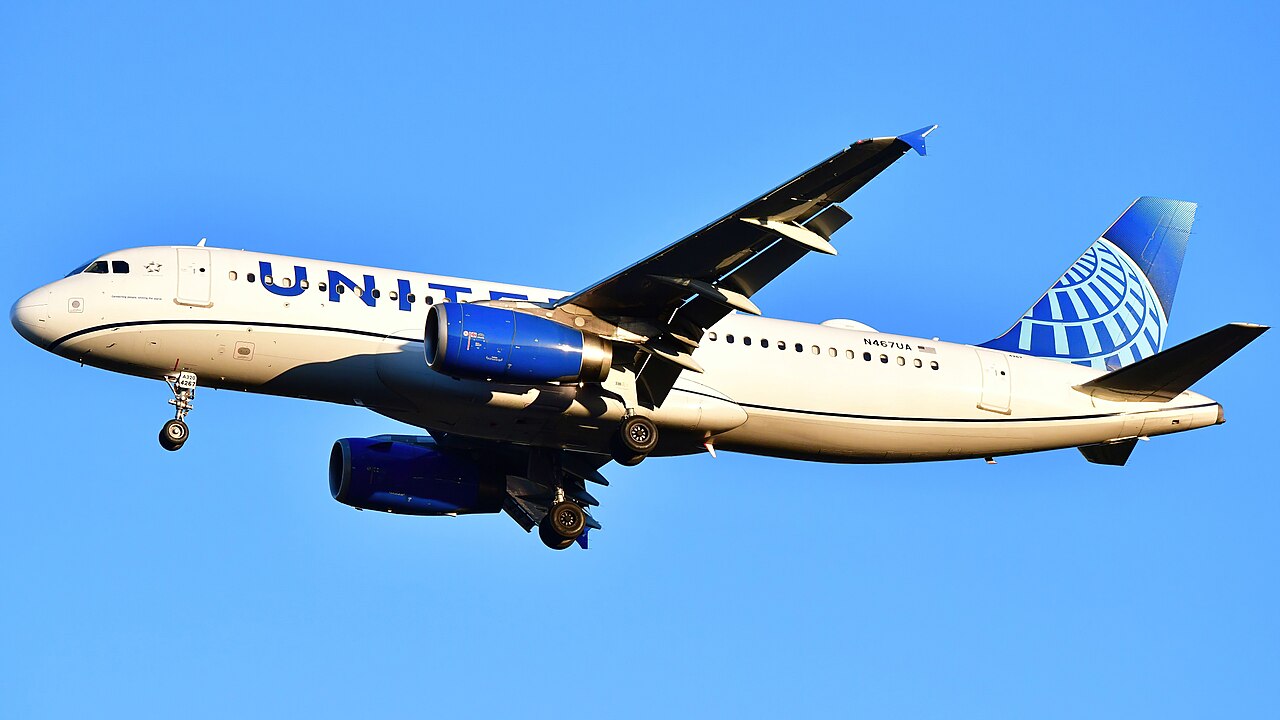


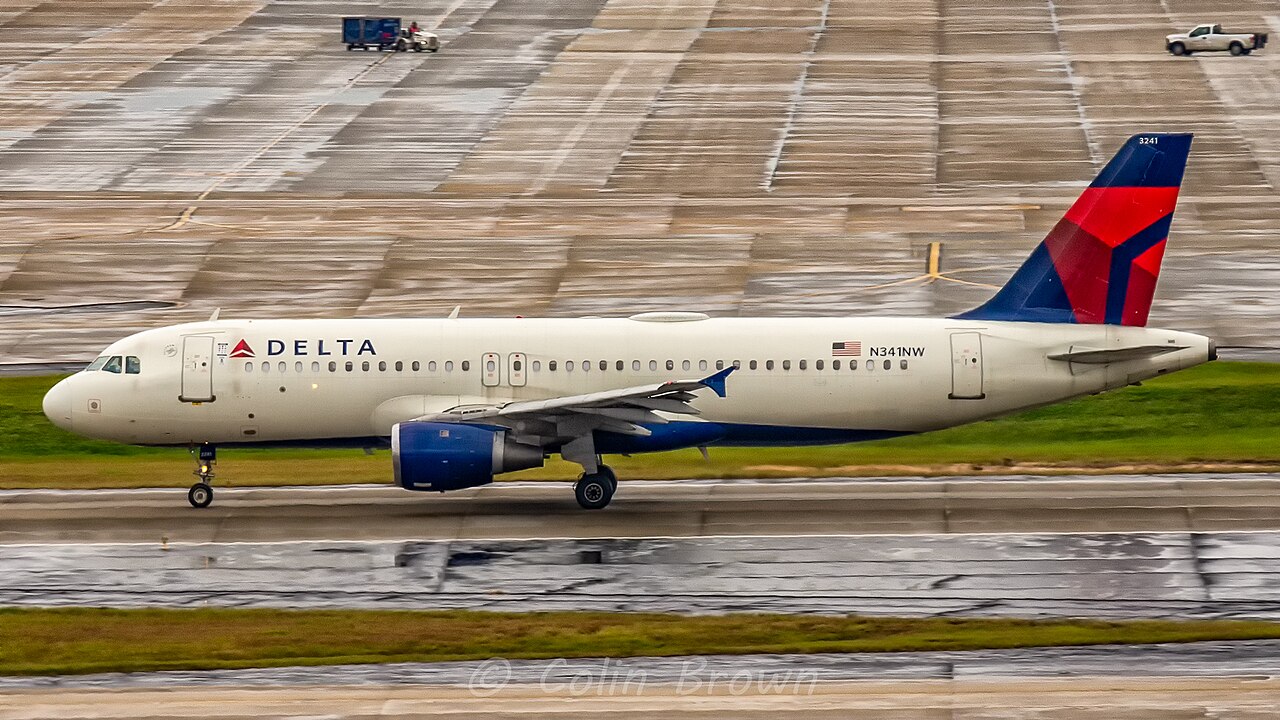
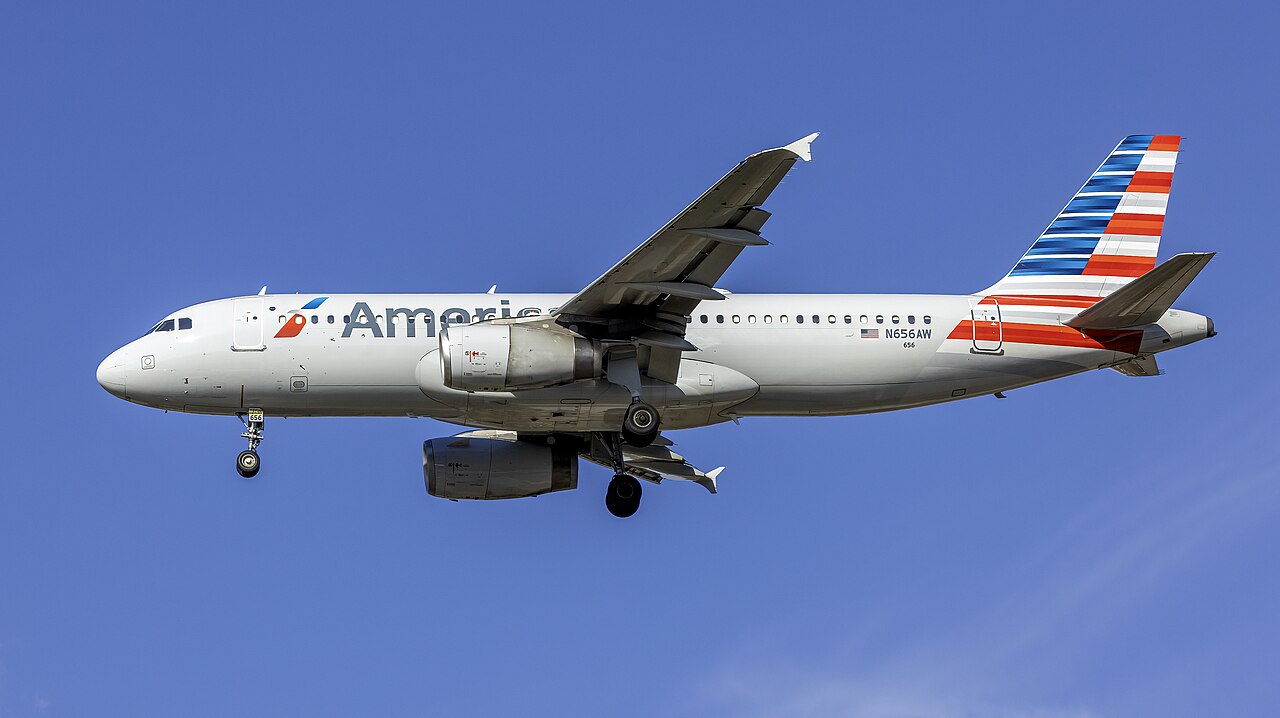


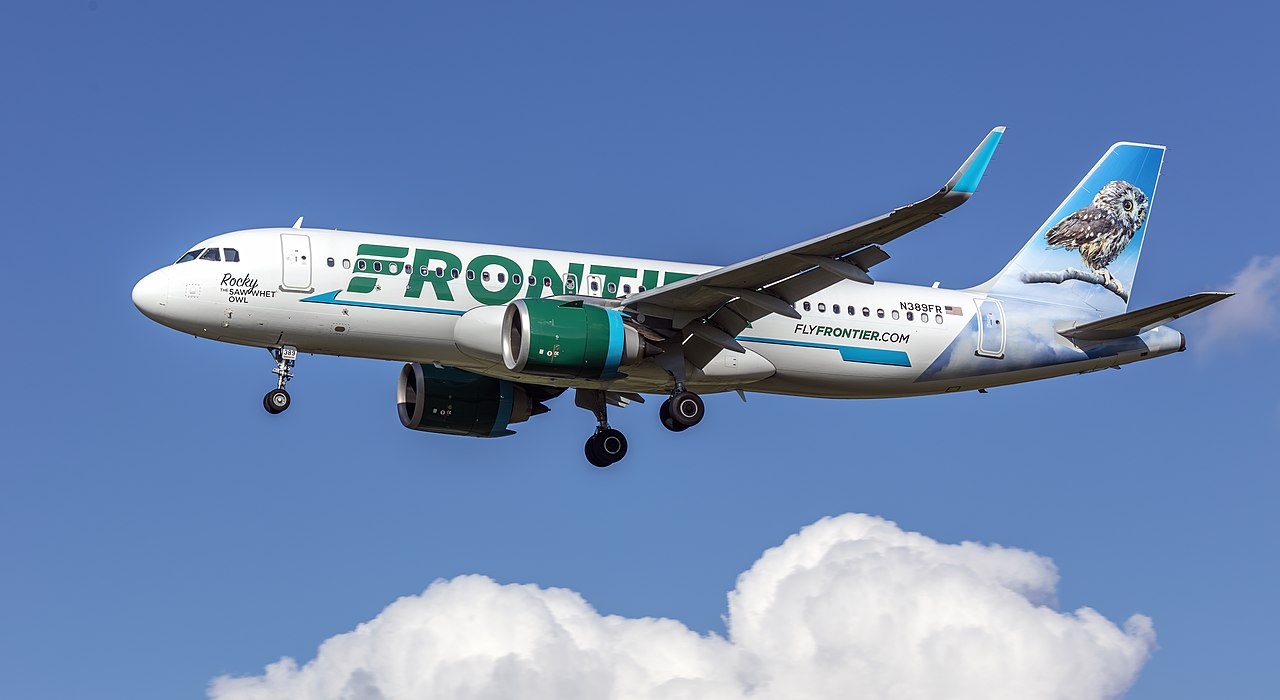


The original member of the A320 family and the worlds first fly-by-wire airliner in series production. Revolutionized commercial aviation with its digital flight controls and side-stick, becoming the best-selling single-aisle aircraft family.
Passengers
150-180
Range
3,790 mi
Cruise Speed
514 mph
First Flight
1987
Did You Know?
The A320 pioneered digital fly-by-wire controls in commercial aviation, technology that is now standard across all modern airliners.
History & Timeline
Key Milestones
Program Launch
Airbus launched the A320 program in March 1984, targeting Boeing's dominance in the narrow-body market. The aircraft would introduce technologies that seemed like science fiction: fly-by-wire controls, flight envelope protection, and electronic instrument displays.
First Flight
On February 22, 1987, the A320 took its maiden flight from Toulouse. The fly-by-wire system worked flawlessly, validating years of development and proving the technology was ready for commercial service.
First Flight
The A320 made aviation history on February 22, 1987, as the first commercial aircraft with digital fly-by-wire flight controls.
Air France Launches Service
In April 1988, Air France became the first airline to operate the A320. The fly-by-wire revolution had arrived in commercial aviation. The technology would become standard on virtually every airliner built since.
Entry into Service
Air France introduced the A320 on March 28, 1988, on the Paris-Berlin route, beginning the transformation of commercial aviation.
Overtaking the 737
In October 2019, the A320 family surpassed the Boeing 737 in total orders—a milestone that seemed impossible when Airbus launched the program 35 years earlier. The European consortium had beaten Boeing at its own game.
Overtaking in Deliveries
In September 2025, the A320 family surpassed the 737 in total deliveries, cementing its position as the best-selling airliner family in history. Airbus's gamble on fly-by-wire had paid off beyond anyone's expectations.
Development Story
The Fly-by-Wire Gamble
When Airbus launched the A320 in 1984, they made a bold decision: it would be the first commercial airliner with digital fly-by-wire controls. President Roger Béteille called it "one of the most difficult decisions I ever made." If it failed, Airbus would be finished. If it succeeded, they would leapfrog Boeing technologically.
Program Launch
Airbus launched the A320 program in March 1984 with Air France as the launch customer, setting out to create the worlds first fly-by-wire airliner.
The Side-Stick Revolution
The A320 replaced the traditional yoke with a side-stick controller—like a video game joystick. Pilots were skeptical, but the system proved intuitive and freed up space in the cockpit. The side-stick became an Airbus signature, used on every subsequent fly-by-wire Airbus.
One Type Rating, Four Aircraft
Airbus's most brilliant innovation may be cockpit commonality. A pilot certified on the A320 can fly the A318, A319, A320, and A321 with minimal additional training. This saves airlines millions in training costs and gives them unmatched scheduling flexibility. Boeing has never matched this level of commonality.
Common Type Rating
Airbus designed the A320 family with a common type rating, meaning pilots trained on any A320 family member can fly all variants with minimal additional training.
Interesting Facts
Flight Envelope Protection
The A320's computers prevent pilots from exceeding the aircraft's structural or aerodynamic limits—they literally cannot stall the aircraft in normal flight. This "flight envelope protection" was revolutionary and controversial, but has contributed to an outstanding safety record.
Fly-By-Wire Pioneer
The A320 pioneered digital fly-by-wire controls in commercial aviation, using computers to interpret pilot inputs. This technology is now standard across all modern airliners.
Side-Stick Controllers
The A320 introduced side-stick controllers instead of traditional yokes, giving pilots more space and visibility while enabling fly-by-wire control.
Legacy & Impact
The Plane That Made Airbus
The A320 transformed Airbus from a European consortium struggling for relevance into Boeing's equal. Its fly-by-wire technology set the standard for all modern airliners. Today, one A320 family aircraft takes off or lands somewhere in the world every 1.6 seconds.
Best-Selling Aircraft Family
The A320 family became the best-selling single-aisle aircraft family in history, with over 10,000 orders demonstrating its commercial success.
Technical Specifications
Performance
- Range
- 6,100 km (3,790 mi)
- Cruise Speed
- 828 km/h (514 mph)
- Service Ceiling
- 12,497 m (41,001 ft)
Dimensions
- Length
- 37.6 m (123 ft)
- Wingspan
- 34.1 m (112 ft)
Capacity
- Passengers
- 150-180
- Cargo Volume
- 37.4 m³
Engines
- Engine Count
- 2x CFM56-5B or IAE V2500
- Manufacturer
- CFM International / International Aero Engines
- Thrust (each)
- 120.1 kN
Weights
- Max Takeoff (MTOW)
- 78,000 kg (171,960 lbs)
- Fuel Capacity
- 27,200 L (7,185 gal)
Takeoff / Landing
- Takeoff Distance
- 2,000 m (6,562 ft)
- Landing Distance
- 1,500 m (4,921 ft)
Commercial
- Total Orders
- 4,845
- Delivered
- 4,845
- List Price
- $101.0M
History
- First Flight
- January 1, 1987
- Status
- Out of Production
Related Variants
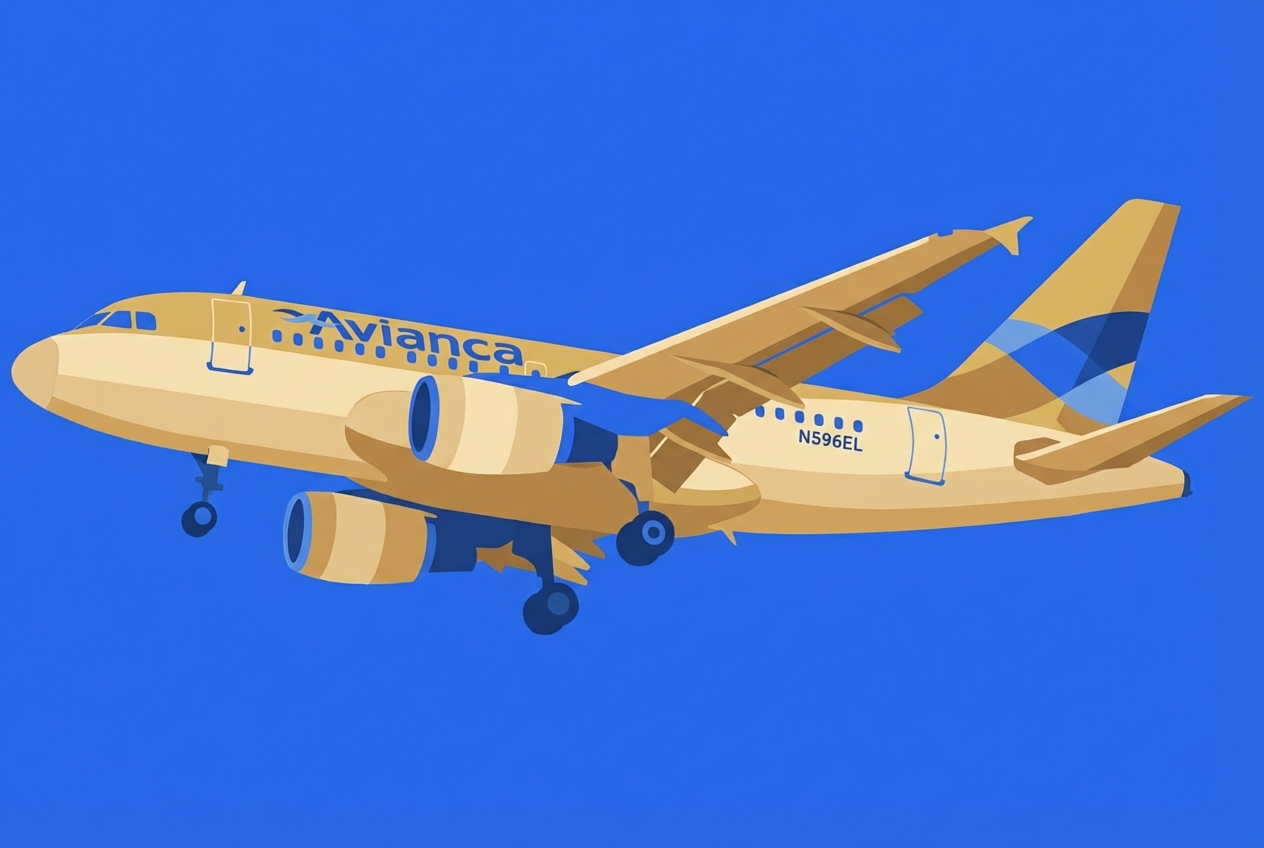
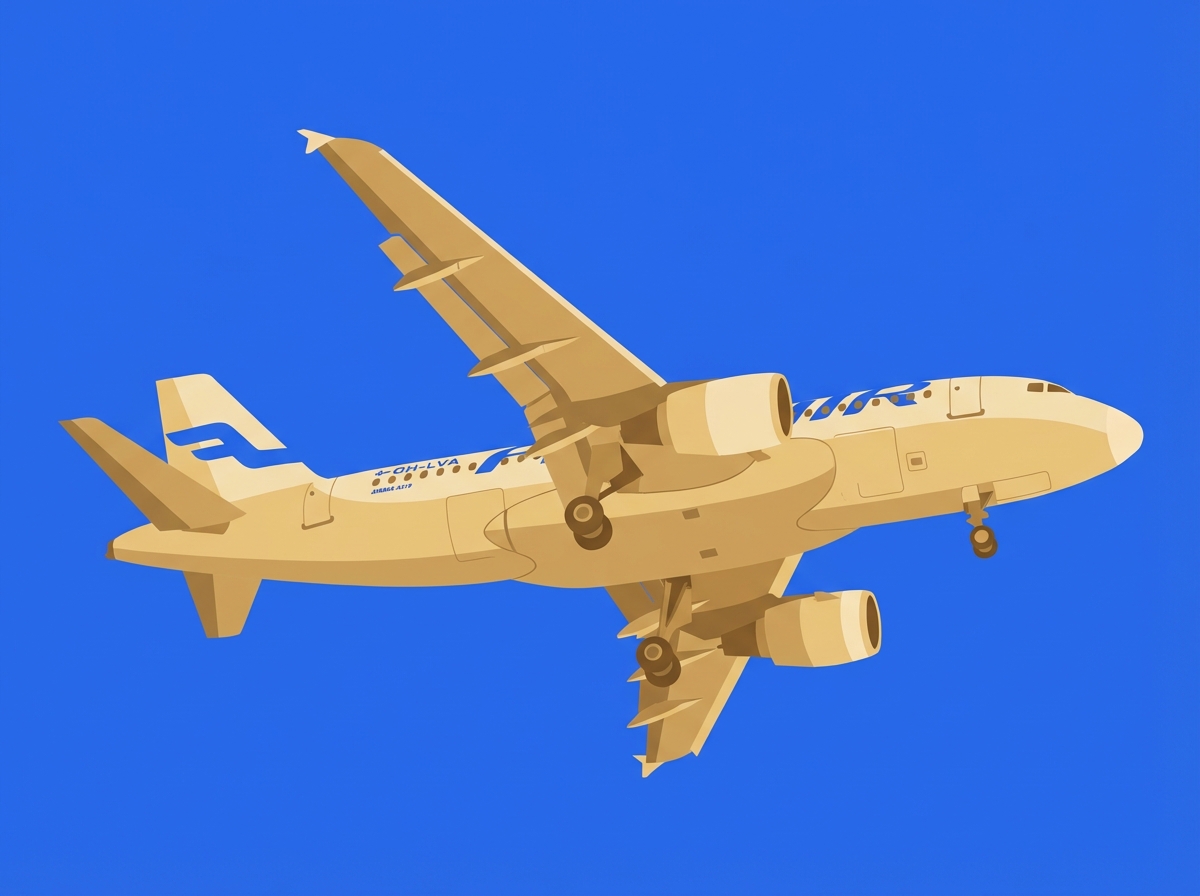
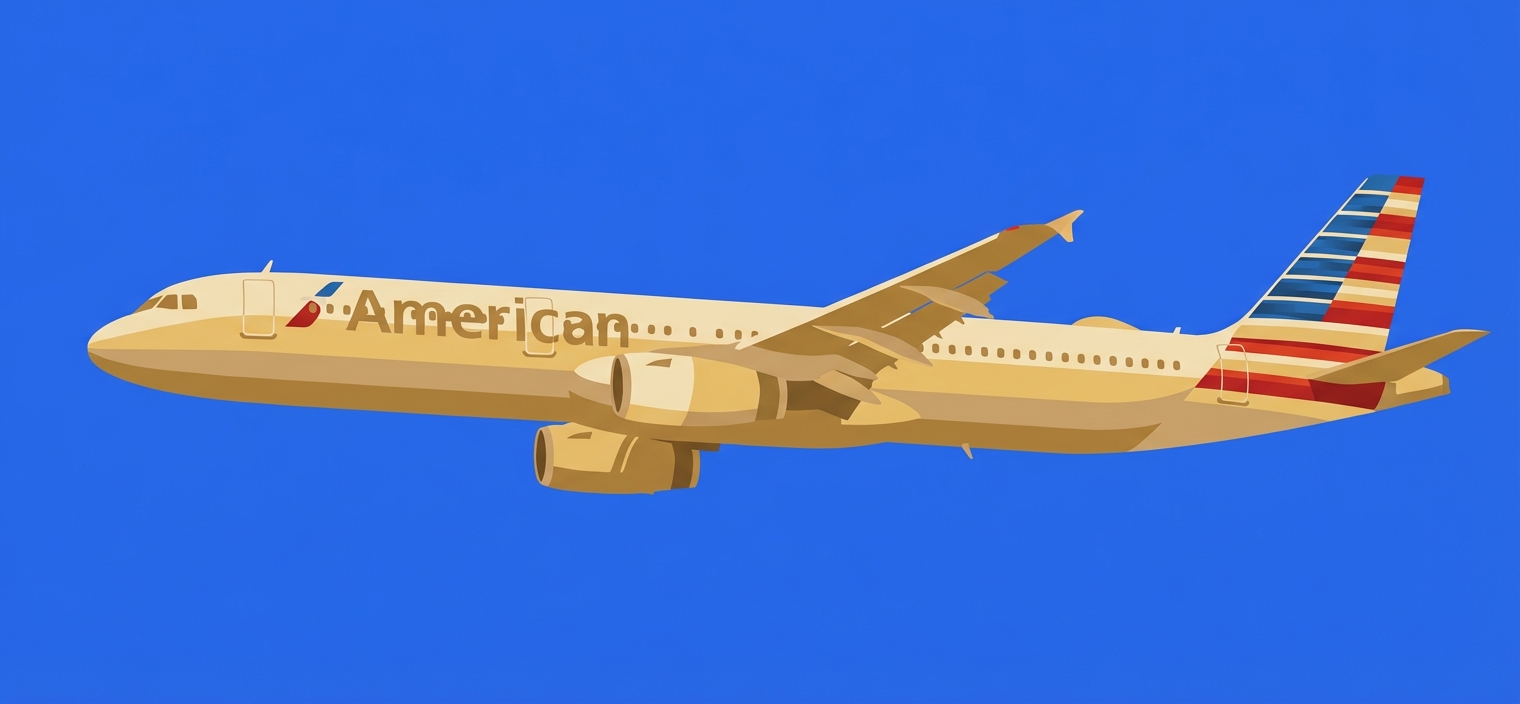
Airlines Operating This Aircraft
JetBlue Airways
Core domestic fleet
Spirit Airlines
Core fleet
United Airlines
Domestic routes
LATAM Airlines
Regional
Avianca
Primary narrowbody
Delta Air Lines
Domestic routes
American Airlines
Domestic routes
Air Canada
Domestic
Qatar Airways
Short-haul
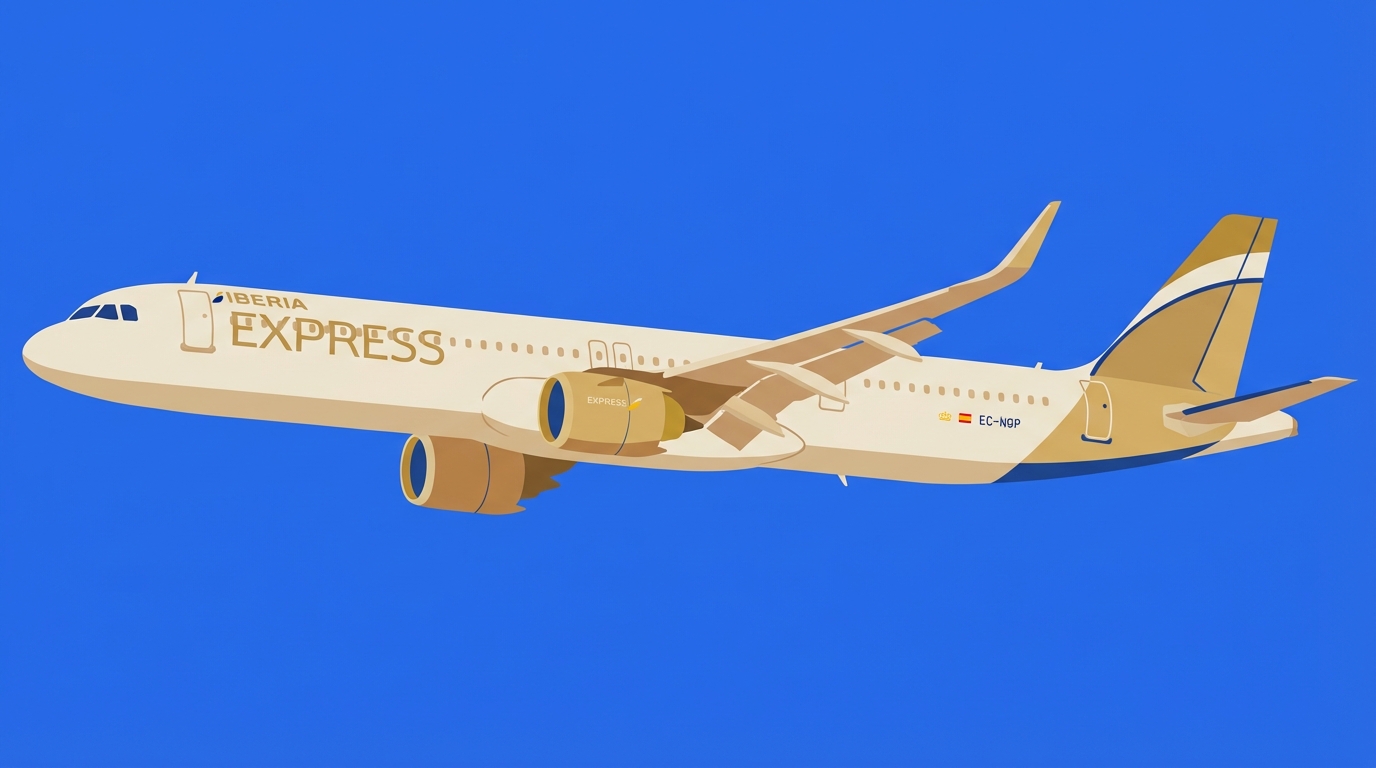
Iberia
European
Qantas
Short-haul
Etihad Airways
Short-haul
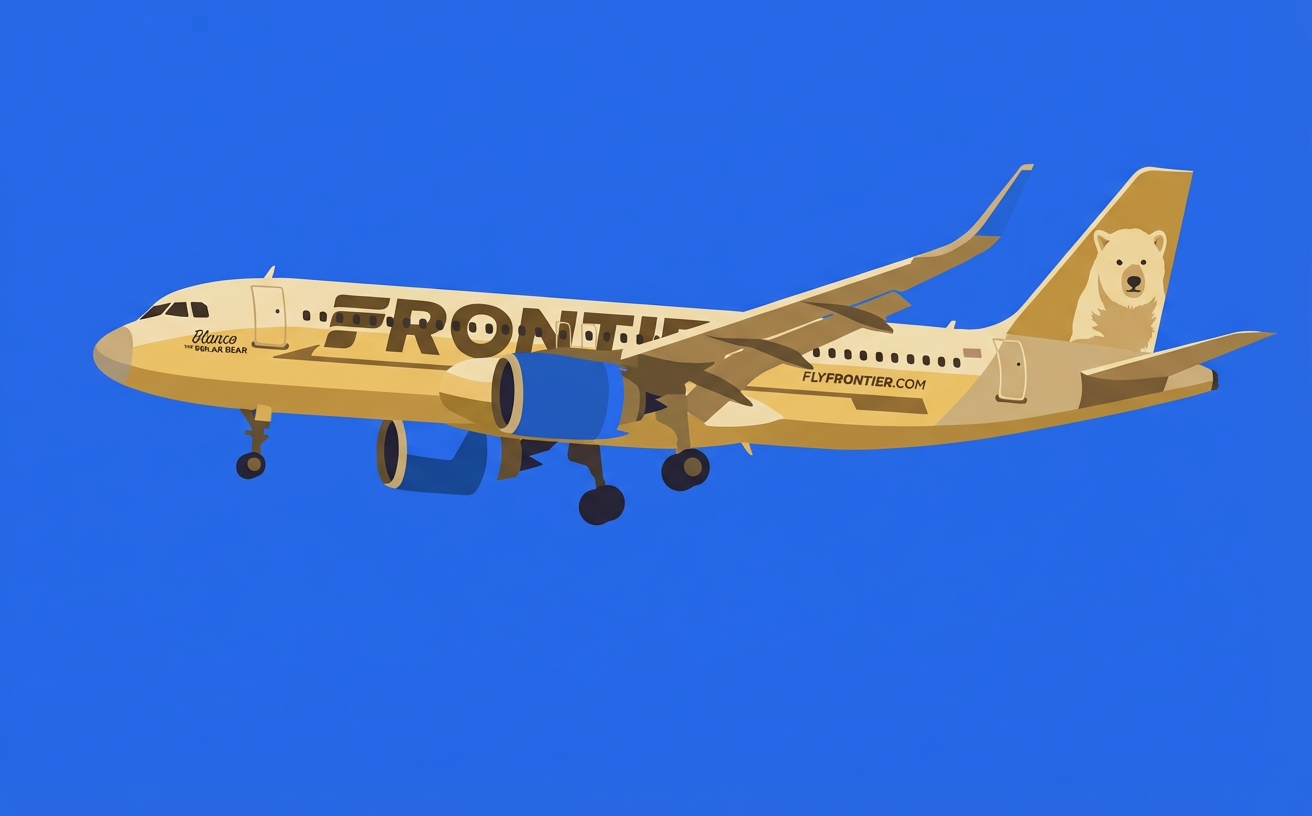
Frontier Airlines
Older fleet
Aer Lingus
Short-haul
TAP Air Portugal
European
SAS Scandinavian Airlines
Short-haul
Air New Zealand
Short-haul
More from Airbus
Data sourced from en.wikipedia.org