Airline Liveries
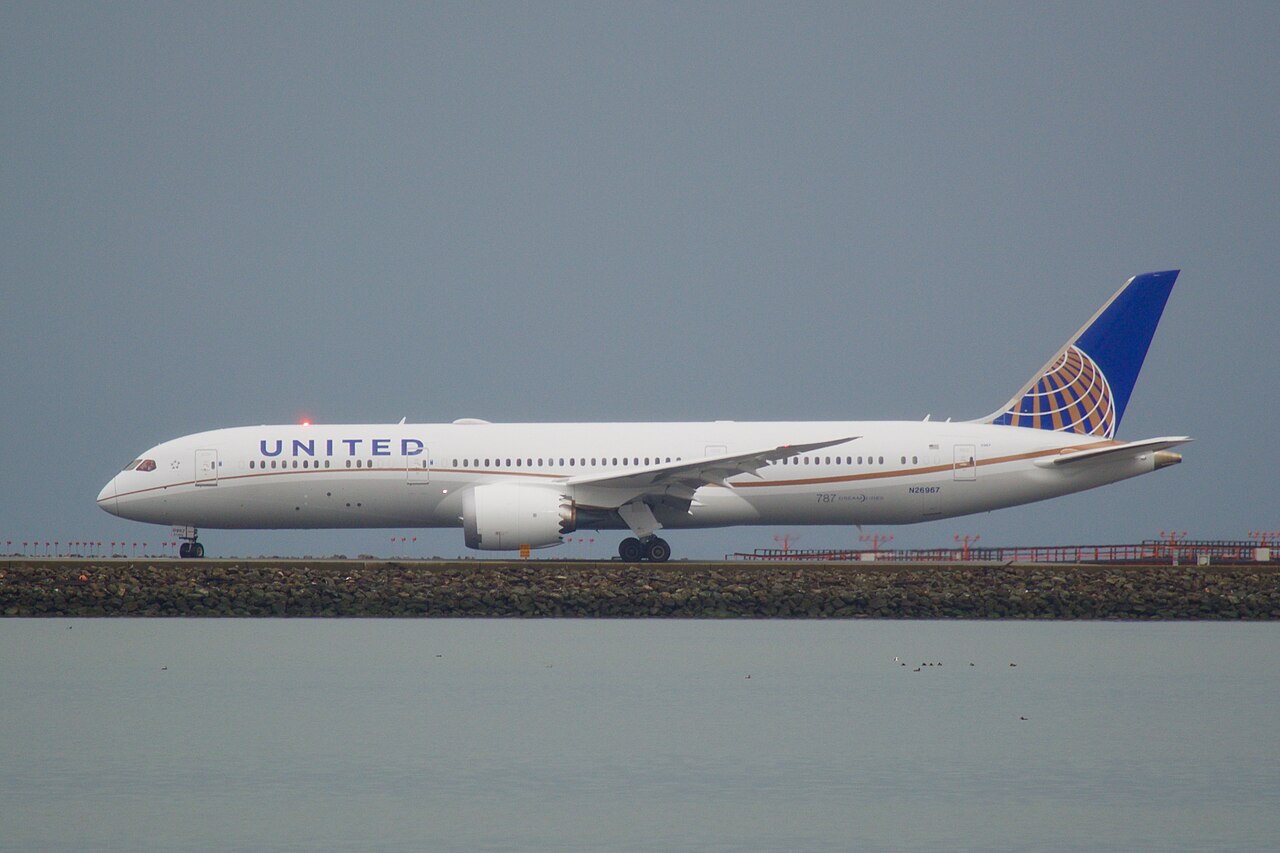

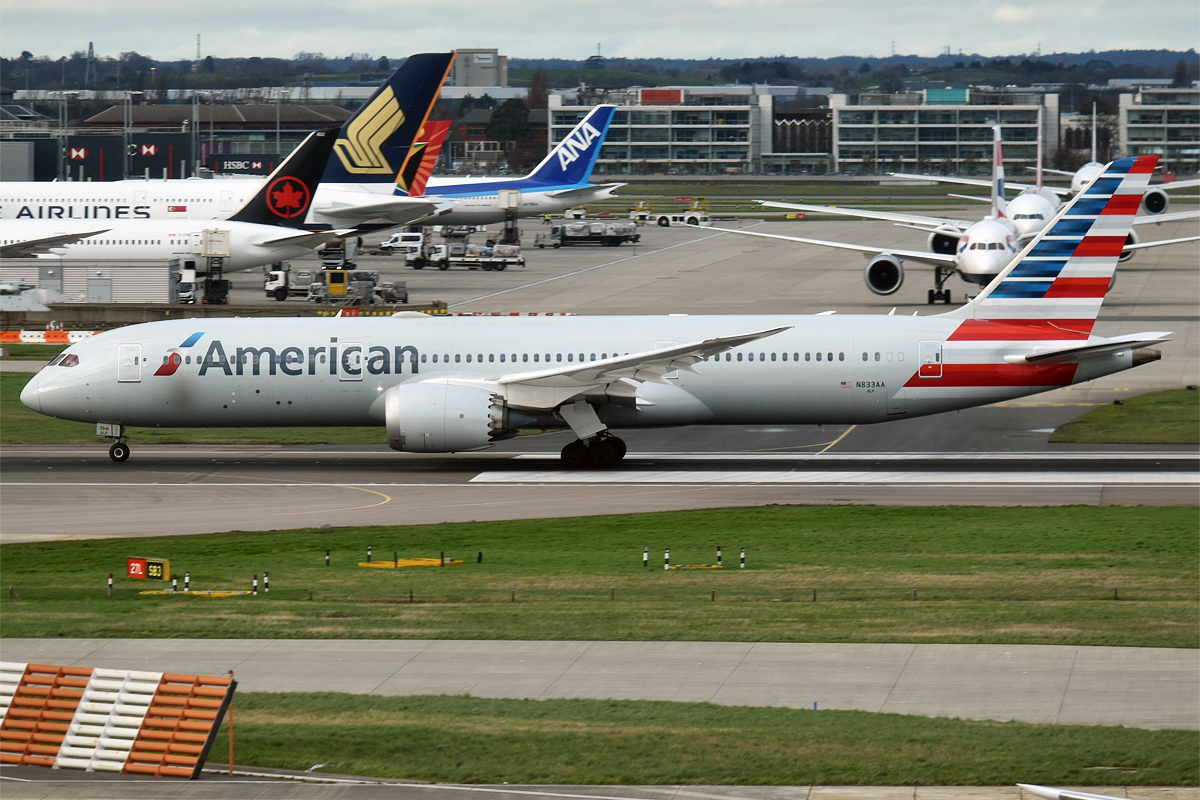


The mid-size variant of the revolutionary Dreamliner family. Features a composite airframe that is 50% lighter than traditional aluminum, resulting in 25% better fuel efficiency. Known for higher cabin pressure and humidity for passenger comfort.
Passengers
250-290
Range
8,705 mi
Cruise Speed
561 mph
First Flight
2013
Did You Know?
The 787s cabin is pressurized to 6,000 feet instead of 8,000 feet and maintains 25% humidity, significantly reducing jet lag for passengers.
History & Timeline
Key Milestones
ANA Launches the Program
On April 26, 2004, All Nippon Airways ordered 50 787s, officially launching the program. Boeing promised delivery by 2008. They missed that target by over three years.
First Flight—Finally
On December 15, 2009, the 787 finally took to the skies, more than two years late. The delays had cost Boeing billions in penalties and lost orders. But the aircraft performed beautifully, validating the revolutionary composite design.
Entry into Service
On October 26, 2011, ANA operated the first commercial 787 flight from Tokyo to Hong Kong. Despite all the delays and problems, the Dreamliner had finally arrived. It would go on to become one of the most successful wide-body aircraft ever.
Development Story
The Sonic Cruiser Dream
Before the 787, Boeing planned the revolutionary Sonic Cruiser—a near-supersonic jet that would fly just below the speed of sound. But after 9/11 devastated the airline industry and fuel prices soared, airlines told Boeing they wanted efficiency, not speed. The Sonic Cruiser died, but its technology lived on in the Dreamliner.
Birth of the Dreamliner
On January 29, 2003, Boeing announced the 7E7, focusing on fuel efficiency rather than speed. The aircraft would use revolutionary composite materials for 50% of its structure—including the first one-piece composite fuselage barrel in commercial aviation. Airlines loved the promise of 20% better fuel efficiency.
Why Passengers Love It
The 787 was designed around passenger comfort, not just airline economics. Larger windows that dim electronically, higher cabin pressure (equivalent to 6,000 feet instead of 8,000), and higher humidity all reduce jet lag. Passengers consistently report arriving feeling better than on other aircraft.
The Outsourcing Experiment Gone Wrong
Boeing tried a revolutionary approach: outsource major components to partners worldwide, then snap them together like Lego. It was a disaster. Parts arrived late, incomplete, or didn't fit together. Some sections arrived with tools still inside. The first aircraft was 5,000 pounds overweight. What was supposed to be a 4-year development stretched to 8 years.
Legacy & Impact
The Plane That Changed Everything
The 787 proved that composite aircraft could work at scale, paving the way for the A350 and future designs. Its efficiency opened new ultra-long-haul routes that were previously uneconomical. Over 1,000 have been delivered, connecting cities that never had direct flights before.
Technical Specifications
Performance
- Range
- 14,010 km (8,705 mi)
- Cruise Speed
- 903 km/h (561 mph)
- Service Ceiling
- 13,137 m (43,100 ft)
Dimensions
- Length
- 63 m (207 ft)
- Wingspan
- 60.1 m (197 ft)
Capacity
- Passengers
- 250-290
- Cargo Volume
- 150 m³
Engines
- Engine Count
- 2x GEnx-1B or RR Trent 1000
- Manufacturer
- General Electric / Rolls-Royce
- Thrust (each)
- 320 kN
Weights
- Max Takeoff (MTOW)
- 254,692 kg (561,499 lbs)
- Fuel Capacity
- 126,917 L (33,528 gal)
Takeoff / Landing
- Takeoff Distance
- 2,800 m (9,186 ft)
- Landing Distance
- 1,524 m (5,000 ft)
Commercial
- Total Orders
- 1,002
- Delivered
- 681
- List Price
- $292.5M
History
- First Flight
- January 1, 2013
- Status
- In Production
Related Variants
Airlines Operating This Aircraft
United Airlines
Long-haul international
All Nippon Airways
Primary Dreamliner
American Airlines
Premium long-haul routes
Air Canada
Primary widebody
Etihad Airways
Fleet backbone
Turkish Airlines
Growing Dreamliner
LATAM Airlines
Primary widebody
Qatar Airways
Growing fleet
Japan Airlines
Primary Dreamliner
British Airways
Mid-size Dreamliner
Virgin Atlantic
First European 787-9
Qantas
Long-haul Dreamliner
Air New Zealand
Skycouch widebody
El Al Israel Airlines
Primary widebody
KLM Royal Dutch Airlines
Dreamliner
Air France
Dreamliner
Korean Air
Dreamliner
Aeromexico
Premium long-haul
EVA Air
Dreamliner
WestJet
Transatlantic
Alaska Airlines
From Hawaiian, international routes
More from Boeing

Sources
Data compiled from the following sources:
-
D
SKYbrary - B789
Ceiling: 43,100 ft
-
D
Flugzeuginfo
Takeoff distance: 9,200 ft (2,800 m)
-
D
Wikipedia - 787 Deliveries
681 787-9s delivered
M Manufacturer D Aviation Database N News