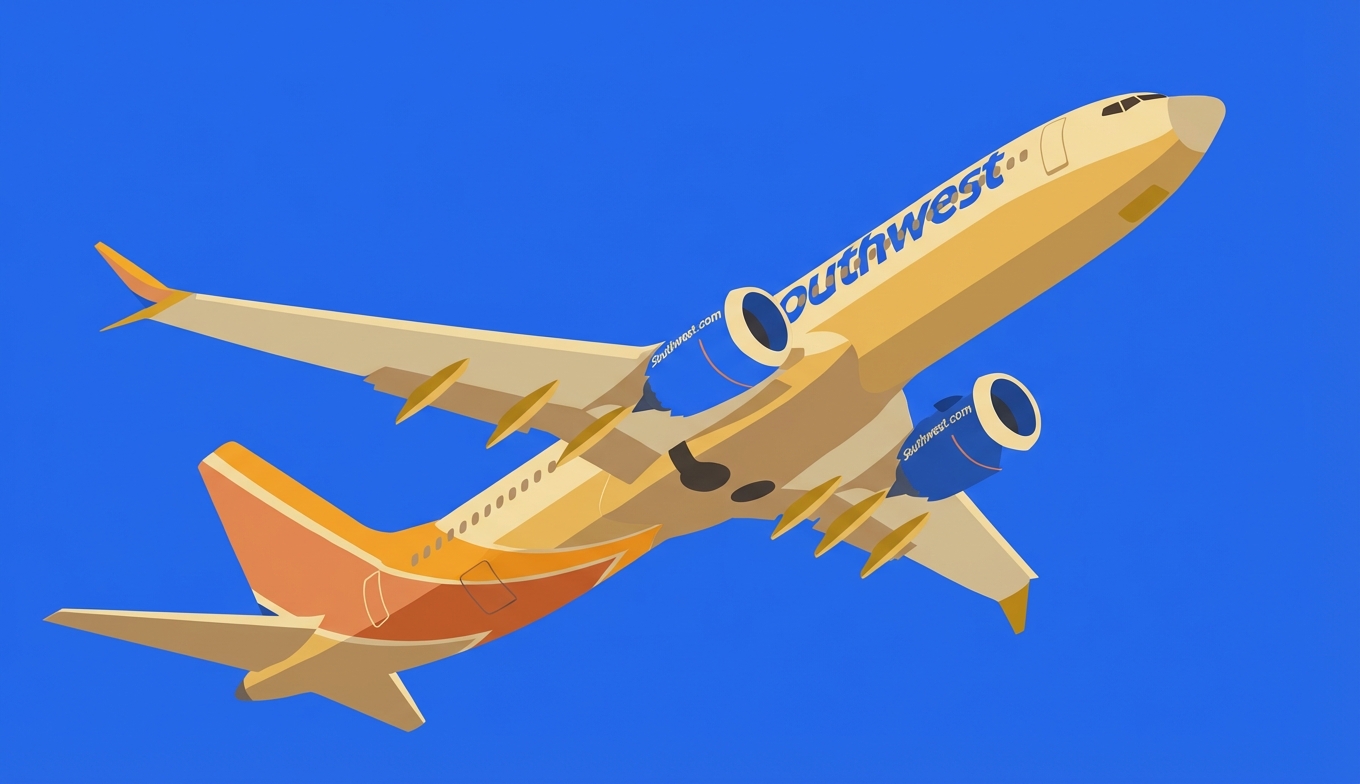
The smallest variant of the 737 MAX family, designed to replace the 737-700. Offers 18% lower fuel costs per seat than its predecessor with the same LEAP-1B engines used across the MAX family.
Passengers
138-172
Range
4,430 mi
Cruise Speed
521 mph
First Flight
2018
Did You Know?
The MAX 7 shares the same wing and landing gear as the larger MAX 8, simplifying production while offering excellent hot-and-high airport performance.
History & Timeline
Development Story
First Flight
The 737 MAX 7 completed its maiden flight on March 16, 2018, the smallest member of the MAX family designed to replace the popular 737-700.
Southwest Airlines Future
Southwest Airlines, which built its entire fleet around the 737-700, is a major customer for the MAX 7 as it continues its single-aircraft-type strategy.
Interesting Facts
Shared Components
The MAX 7 shares the same wing and landing gear as the larger MAX 8, simplifying production and pilot training while offering excellent hot-and-high airport performance.
Technical Specifications
Performance
- Range
- 7,130 km (4,430 mi)
- Cruise Speed
- 839 km/h (521 mph)
- Service Ceiling
- 12,497 m (41,001 ft)
Dimensions
- Length
- 35.6 m (117 ft)
- Wingspan
- 35.9 m (118 ft)
Capacity
- Passengers
- 138-172
- Cargo Volume
- 38.9 m³
Engines
- Engine Count
- 2x CFM LEAP-1B
- Manufacturer
- CFM International
- Thrust (each)
- 130.3 kN
Weights
- Max Takeoff (MTOW)
- 80,286 kg (177,000 lbs)
- Fuel Capacity
- 25,816 L (6,820 gal)
Takeoff / Landing
- Takeoff Distance
- 2,000 m (6,562 ft)
- Landing Distance
- 1,500 m (4,921 ft)
Commercial
- Total Orders
- 300
- List Price
- $99.7M
History
- First Flight
- January 1, 2018
- Status
- In Production
Related Variants
More from Boeing
Data sourced from en.wikipedia.org