Airline Liveries
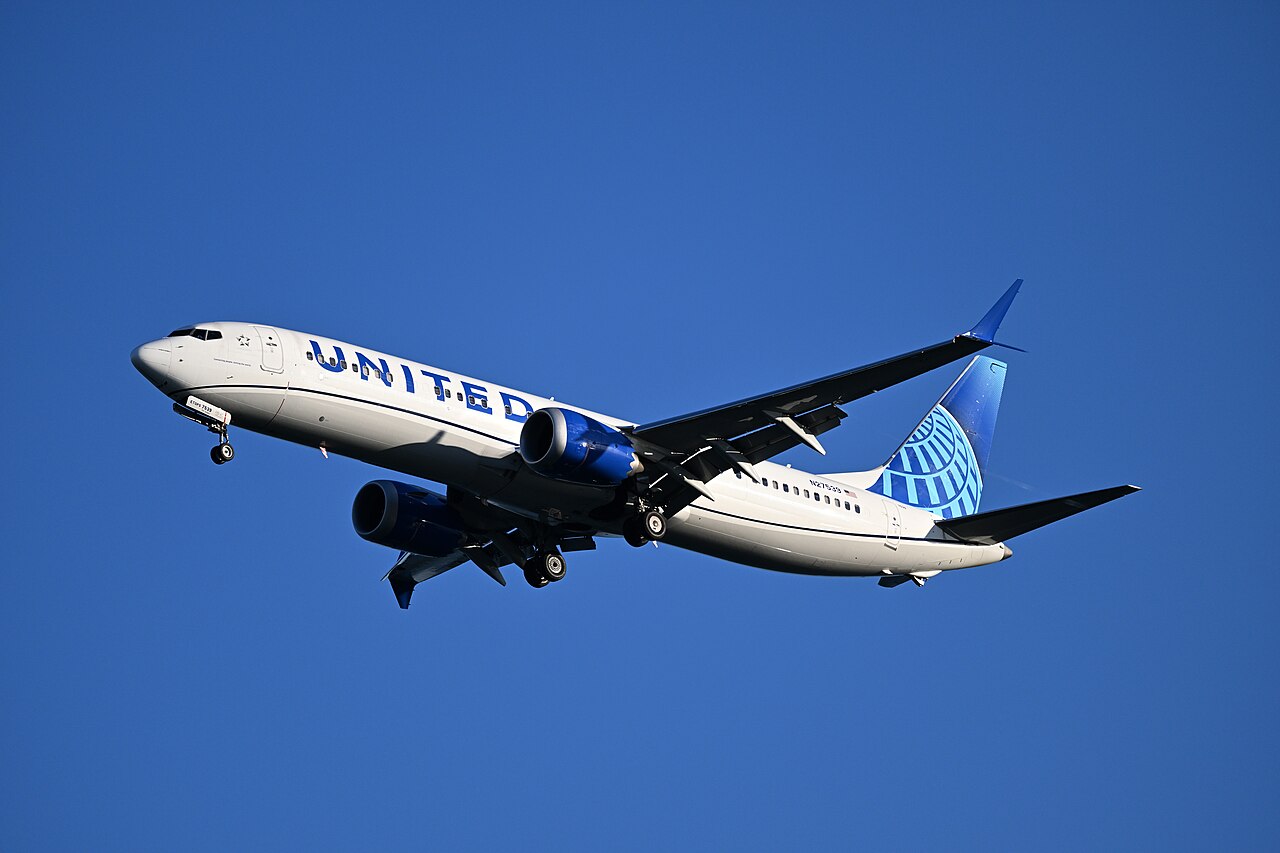
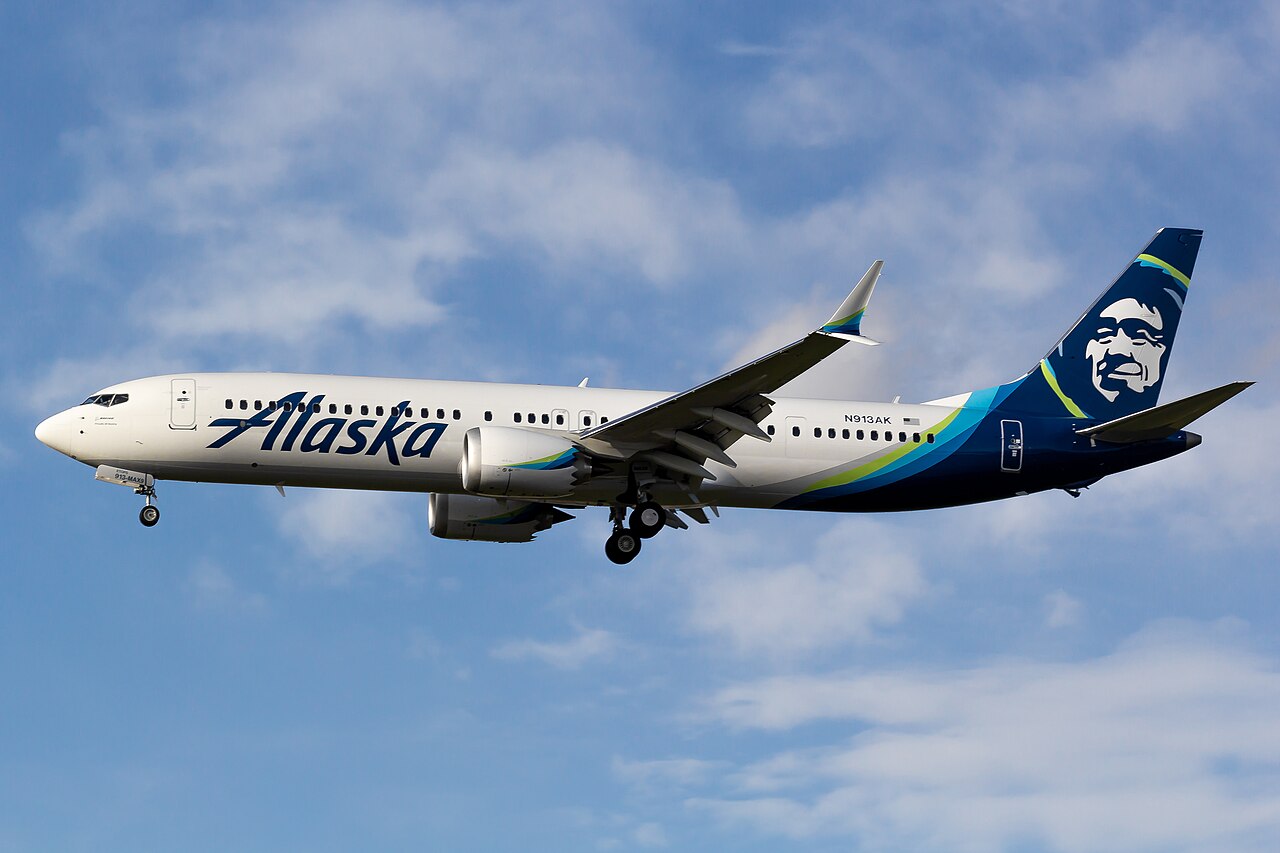


The stretched variant of the 737 MAX family, designed to replace the 737-900ER. Popular with Alaska Airlines and United, it offers increased capacity while maintaining the MAX familys 20% fuel efficiency improvement over previous generation aircraft.
Passengers
178-220
Range
4,082 mi
Cruise Speed
521 mph
First Flight
2017
Did You Know?
The MAX 9 features a rear mid-cabin exit door on each side that is required for high-density seating configurations above 189 passengers.
History & Timeline
Key Milestones
Entry into Service
The MAX 9 entered commercial service with Lion Air in March 2018, offering airlines up to 220 passengers in a high-density configuration.
Development Story
First Flight
The stretched 737 MAX 9 completed its first flight on April 13, 2017, designed to offer more capacity than the MAX 8 while targeting the market previously served by the 737-900ER.
United and Alaska Favorite
United Airlines and Alaska Airlines have become the largest operators of the 737 MAX 9, using it to modernize their domestic fleets with improved fuel efficiency on medium-capacity routes.
Interesting Facts
Mid-Cabin Exit Door
The MAX 9 features a rear mid-cabin exit door on each side that is required for high-density seating configurations above 189 passengers, giving airlines flexibility in cabin layouts.
Technical Specifications
Performance
- Range
- 6,570 km (4,082 mi)
- Cruise Speed
- 839 km/h (521 mph)
- Service Ceiling
- 12,497 m (41,001 ft)
Dimensions
- Length
- 42.2 m (138 ft)
- Wingspan
- 35.9 m (118 ft)
Capacity
- Passengers
- 178-220
- Cargo Volume
- 52.5 m³
Engines
- Engine Count
- 2x CFM LEAP-1B
- Manufacturer
- CFM International
- Thrust (each)
- 130.3 kN
Weights
- Max Takeoff (MTOW)
- 88,314 kg (194,699 lbs)
- Fuel Capacity
- 25,816 L (6,820 gal)
Takeoff / Landing
- Takeoff Distance
- 2,500 m (8,202 ft)
- Landing Distance
- 1,700 m (5,577 ft)
Commercial
- Total Orders
- 628
- Delivered
- 395
- List Price
- $128.9M
History
- First Flight
- January 1, 2017
- Status
- In Production
Related Variants
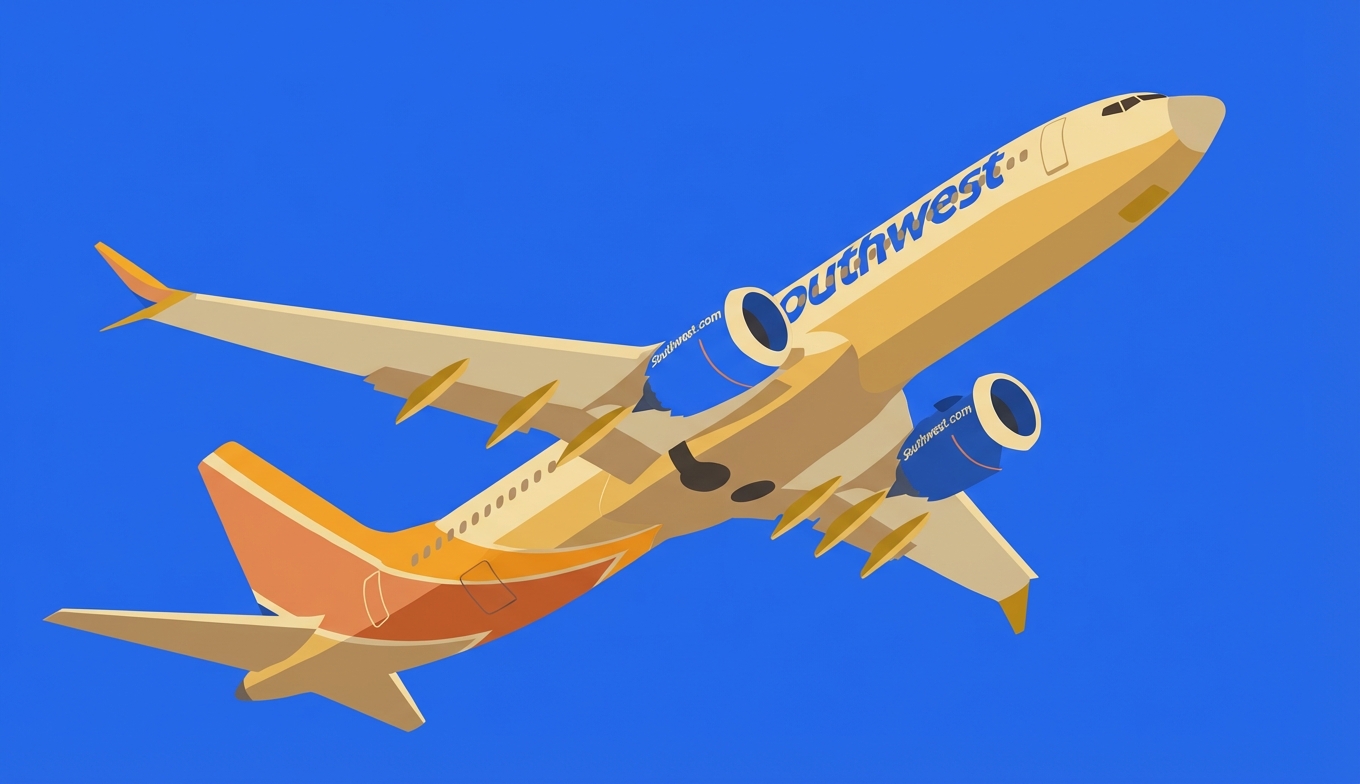
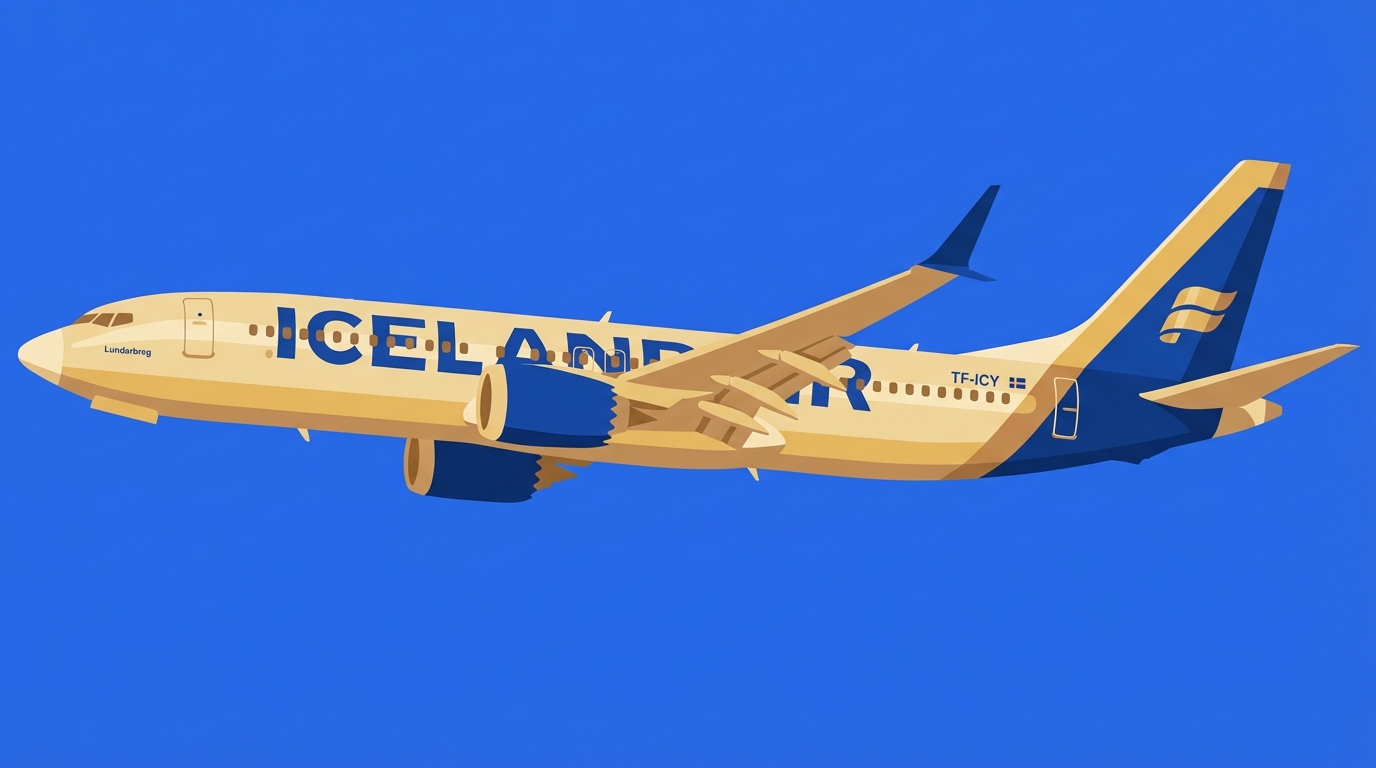
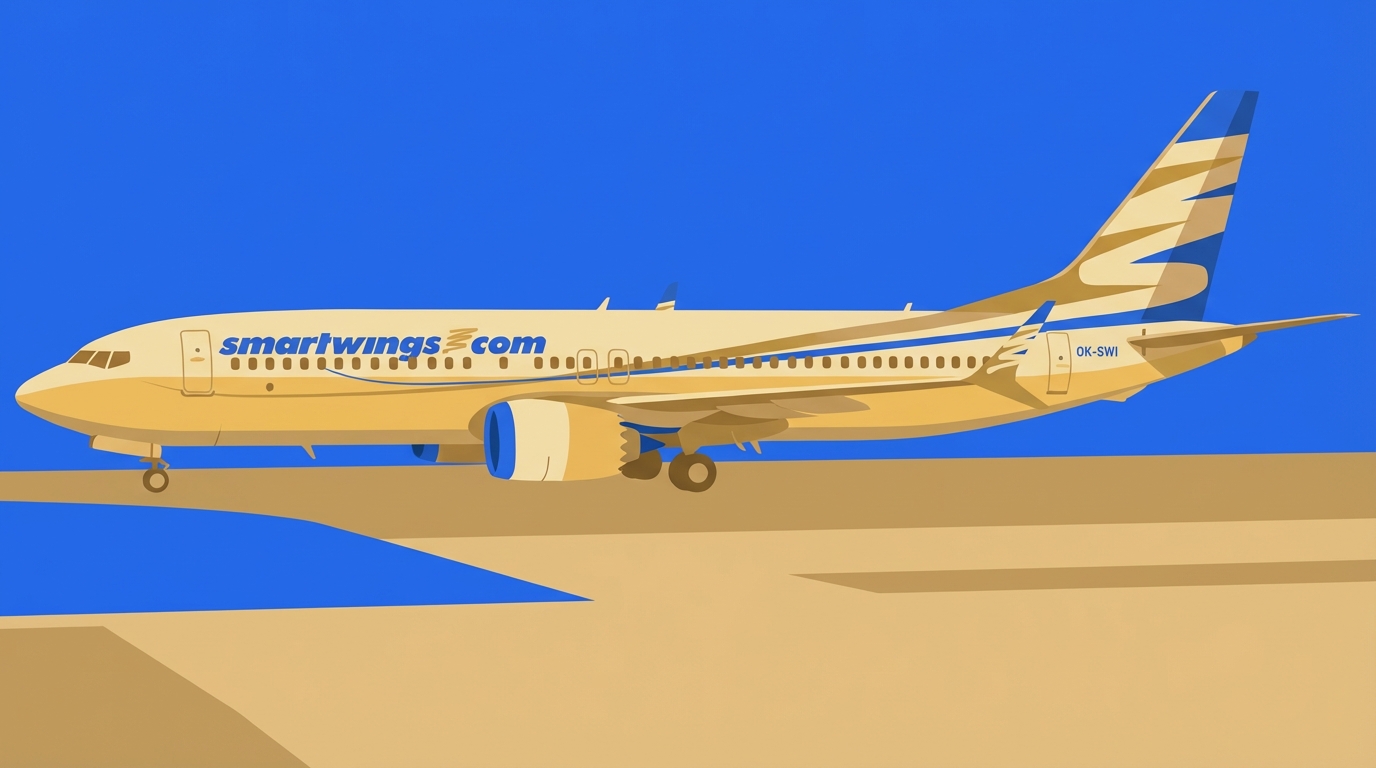
Airlines Operating This Aircraft
More from Boeing

Data sourced from en.wikipedia.org