Airline Liveries
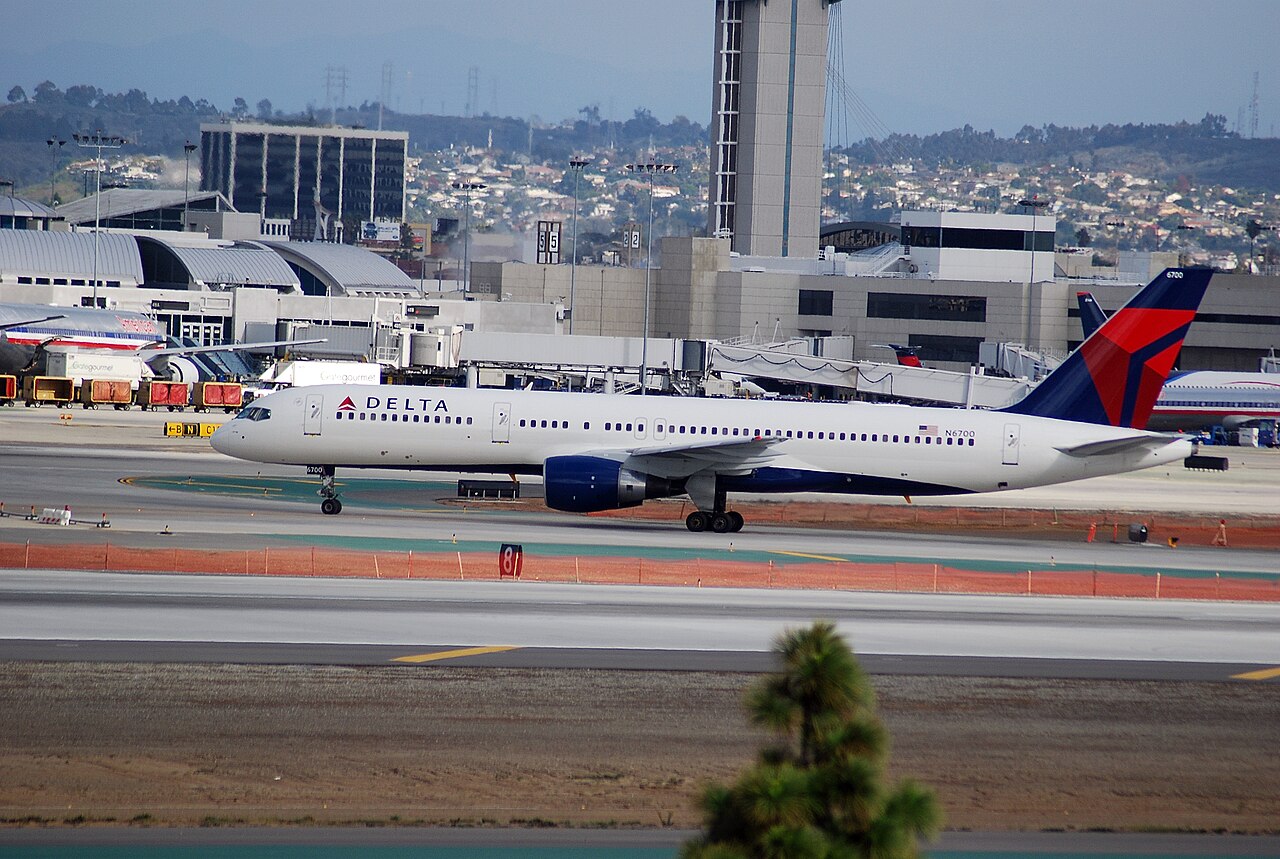
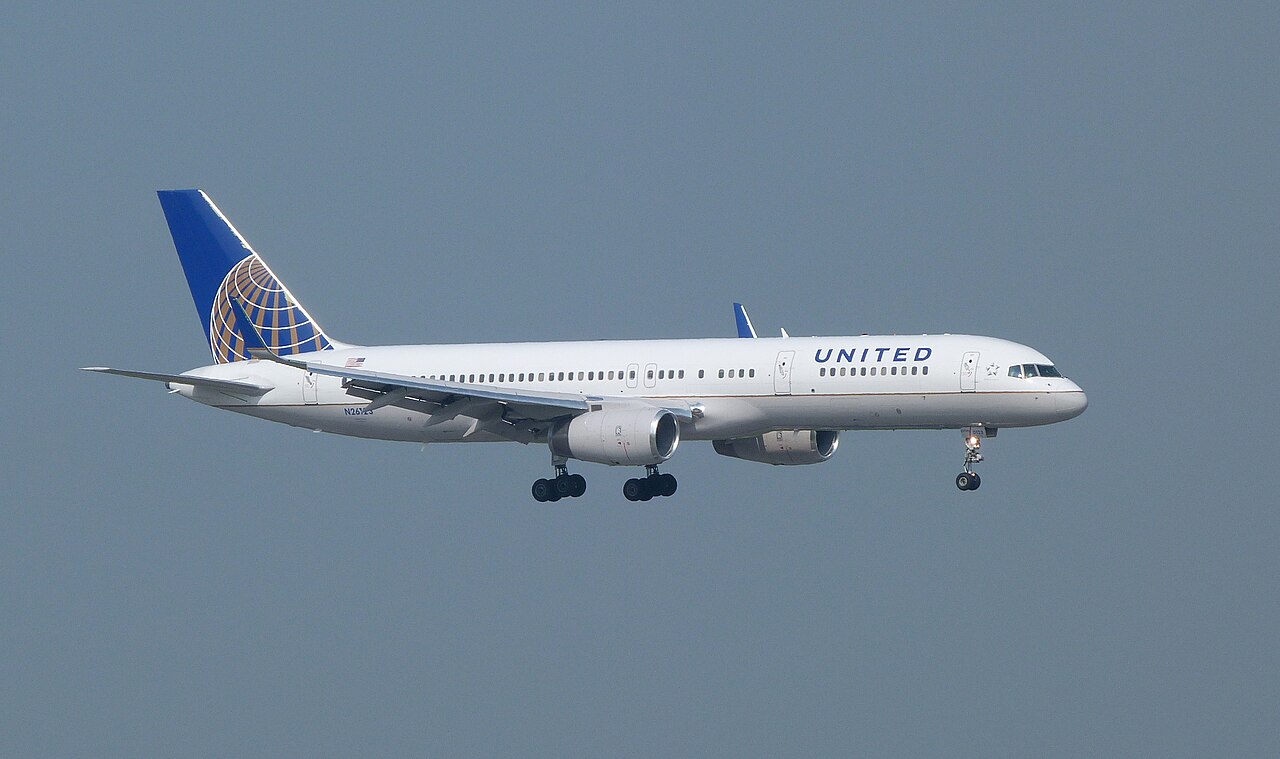
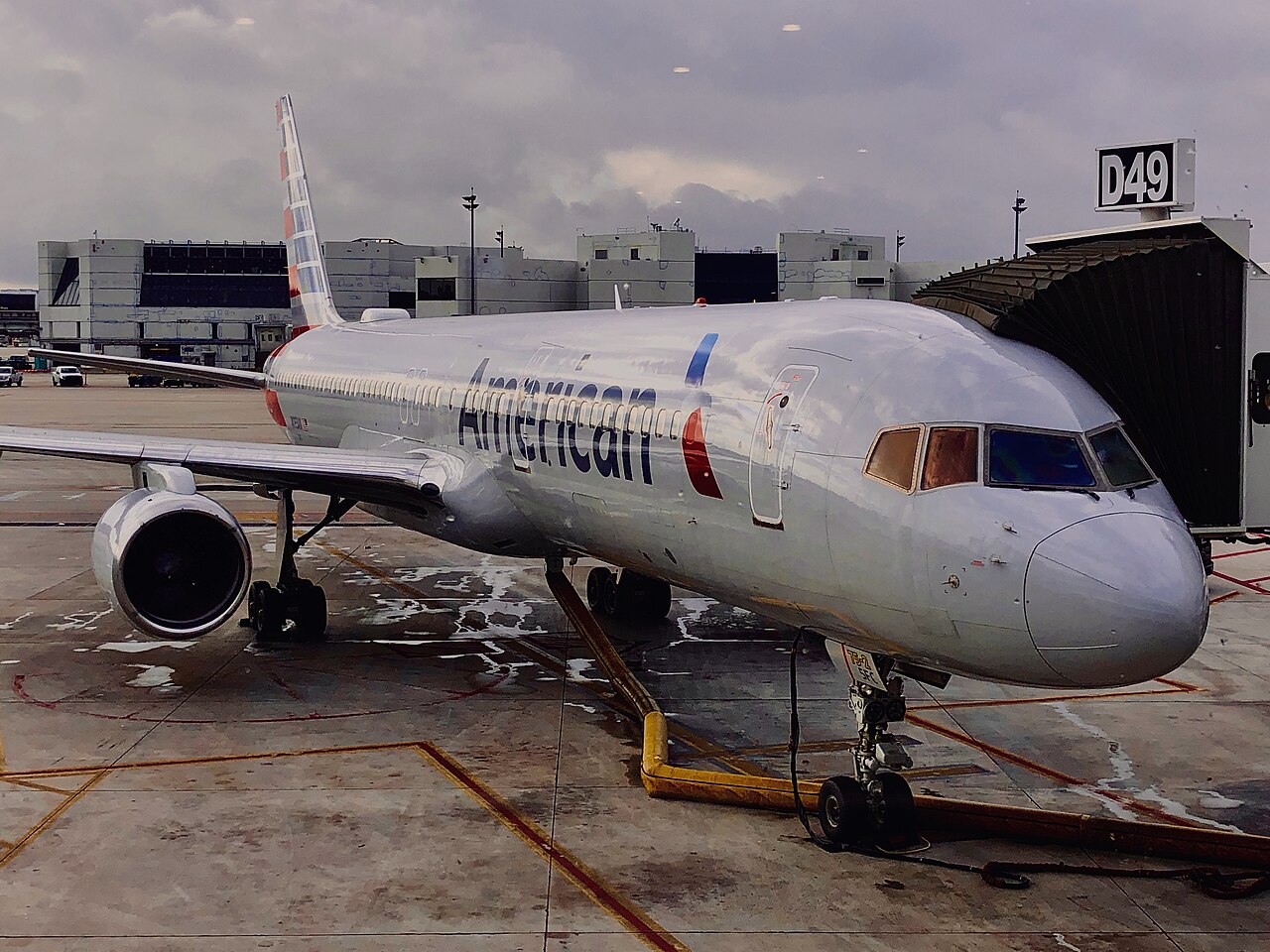

A narrow-body aircraft with wide-body performance. Its powerful engines and efficient wing made it capable of transcontinental and transatlantic routes. Highly regarded by pilots for its performance.
Passengers
178-239
Range
4,524 mi
Cruise Speed
528 mph
First Flight
1982
Did You Know?
Pilots call the 757 the "muscle car" of commercial aviation due to its exceptional climb performance and power-to-weight ratio.
History & Timeline
Key Milestones
First Flight
The prototype Boeing 757 made its first flight on February 19, 1982, from Renton Field, marking a new era in narrow-body aircraft design with its advanced two-crew glass cockpit.
Entry into Service
Eastern Air Lines introduced the 757-200 on its first commercial flight from Atlanta to Tampa in January 1983, demonstrating 45% better fuel efficiency than the 727 it replaced.
Development Story
Clean Sheet Design
Boeing began developing the 757 as a clean-sheet replacement for the 727, initially designated 7N7. The decision to use two wing-mounted engines instead of three tail-mounted engines was revolutionary.
ETOPS Pioneer
The 757 helped prove that twin-engine aircraft could safely operate long overwater routes, paving the way for ETOPS regulations that transformed transoceanic aviation.
Interesting Facts
Ferrari of the Skies
The 757 earned nicknames including the Flying Pencil and Ferrari of the Skies due to its narrow fuselage and powerful engines that made it feel overpowered to many pilots.
Government Service
The US government operates several 757s as C-32 aircraft for transporting the Vice President, First Lady, and Secretary of State with extensive security and communications equipment.
Records & Achievements
Tibetan High-Altitude Flight
On March 29, 1991, a 757 demonstrated its exceptional performance by taking off, circling, and landing at Tibets Gonggar Airport at 11,621 feet elevation on just one engine.
1991Legacy & Impact
Irreplaceable Capability
Even decades after production ended in 2004, the 757s unique combination of capacity, range, and hot-and-high performance remains unmatched, forcing airlines to choose between smaller or larger replacements.
Technical Specifications
Performance
- Range
- 7,280 km (4,524 mi)
- Cruise Speed
- 850 km/h (528 mph)
- Service Ceiling
- 12,802 m (42,001 ft)
Dimensions
- Length
- 47.3 m (155 ft)
- Wingspan
- 38.1 m (125 ft)
Capacity
- Passengers
- 178-239
- Cargo Volume
- 50.7 m³
Engines
- Engine Count
- 2x RR RB211 or PW2000
- Manufacturer
- Rolls-Royce / Pratt & Whitney
- Thrust (each)
- 178 kN
Weights
- Max Takeoff (MTOW)
- 115,665 kg (254,997 lbs)
- Fuel Capacity
- 43,489 L (11,489 gal)
Takeoff / Landing
- Takeoff Distance
- 2,100 m (6,890 ft)
- Landing Distance
- 1,555 m (5,102 ft)
Commercial
- Total Orders
- 913
- Delivered
- 913
- List Price
- $80.0M
History
- First Flight
- January 1, 1982
- Status
- Out of Production
Related Variants

Airlines Operating This Aircraft
More from Boeing


Sources
Data compiled from the following sources:
-
D
Flugzeuginfo
Optional fuel: 43,489 litres
-
D
B757.info
Extended range MTOW: 115,665 kg (255,000 lb)
-
M
Boeing Official
Total freight volume: 8,390 cu ft
M Manufacturer D Aviation Database N News